

Quick Answers





Why is cnc machining expensive?
- June 19, 2025
- Jason Chang
- 9:29 am
CNC machining has become a widely used manufacturing process in various industries due to its precision, efficiency, and versatility.
While CNC machining offers numerous benefits, one of the primary concerns for many businesses is the cost associated with this technology.
High Initial Investment
One of the key factors contributing to the high cost of CNC machining is the significant initial investment required to set up a CNC machine.
Purchasing a CNC machine can be expensive, with prices ranging from tens of thousands to millions of dollars, depending on the machine’s size and capabilities.
Additionally, the cost of software, tooling, and maintenance must also be considered, adding to the overall investment.
Complex Programming
Another reason why CNC machining is expensive is the complexity of programming required to operate CNC machines effectively.
Skilled programmers are needed to write the code that dictates the machine’s movements and operations, ensuring the desired outcome is achieved.
This level of expertise comes at a cost, as proficient programmers command higher salaries and can be in high demand.
Specialized Tooling and Materials
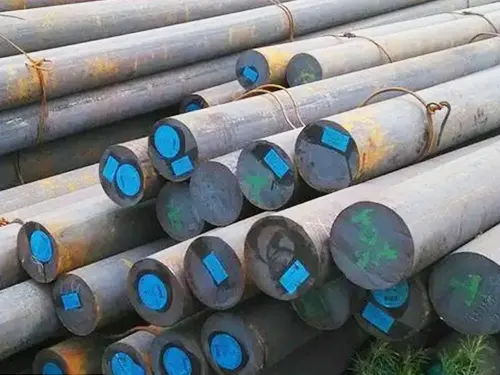
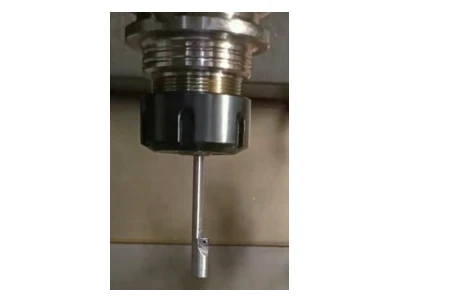
In CNC machining, the use of specialized tooling and materials is everyday, especially for precision parts or components with unique specifications.
These tools and materials can be costly, adding to the overall expenses of the manufacturing process.
In some cases, custom tooling may be necessary, further increasing the production cost.
Tight Tolerances and Quality Control
CNC machining is known for its ability to achieve tight tolerances and high levels of precision, making it a preferred method for producing intricate parts and components.
However, maintaining these tight tolerances requires meticulous quality control processes, which can increase the overall production cost.
Extensive testing, inspections, and monitoring are necessary to ensure that the final products meet the desired specifications.
High Energy Consumption
Running CNC machines can be energy-intensive, especially for larger machines or extended production runs.
The power consumption of CNC machines, along with the need for cooling systems to prevent overheating, can contribute to higher operating costs.
Energy-efficient practices and equipment can help reduce these expenses, but they may require initial investments.
Skilled Labor Force
Employing a skilled labor force is crucial for the successful operation of CNC machines. Machinists and operators must have the knowledge and expertise to set up, monitor, and troubleshoot CNC machines effectively.
The training and experience required for these roles often come at a premium, resulting in higher labor costs for businesses that utilize CNC machining.
Customization and Prototyping
One of the advantages of CNC machining is its ability to produce customized parts and prototypes quickly and accurately.
However, the flexibility and adaptability of CNC machining come at a price, as custom projects may require additional setup time, programming adjustments, and material changes.
These factors can contribute to the overall production cost, particularly for small-batch runs or one-off projects.
Conclusion
While CNC machining offers numerous benefits in terms of precision, efficiency, and versatility, the cost of this technology can be a barrier for many businesses.
Factors such as high initial investment, complex programming, specialized tooling and materials, tight tolerances, energy consumption, skilled labor, and customization all contribute to the increased expenses associated with CNC machining.
By understanding these factors, engineers with a manufacturing background can make informed decisions on when and how to utilize CNC machining in their operations, balancing the benefits with the costs effectively.